 Felix
FelixGrape seed extract is one of the few botanical ingredients where the market has a de facto standard: OPC 95%. That label is reassuring until you ask what, precisely, was measured — because "OPC 95%" has been used to describe several different analytical results, and the difference is large enough to affect both cost and formulation.
What the extract actually contains
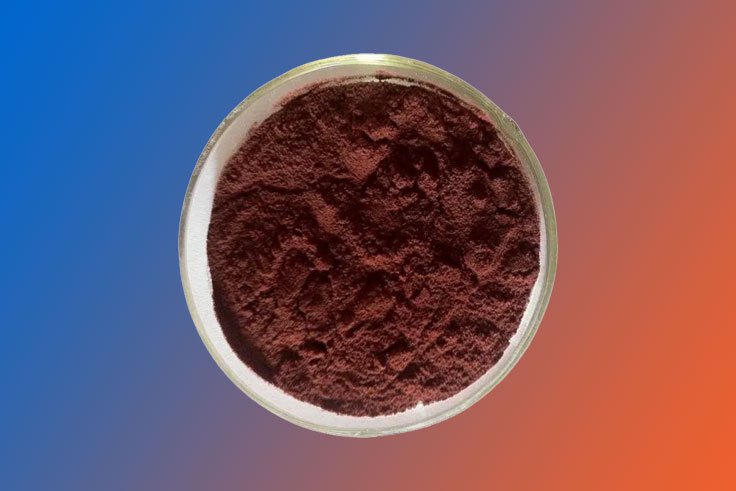
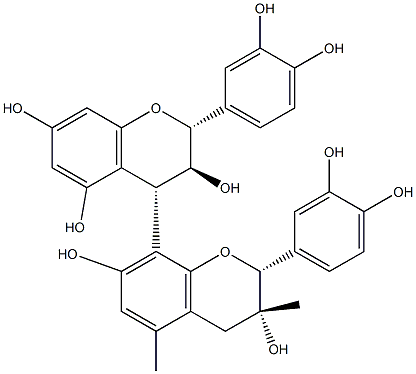
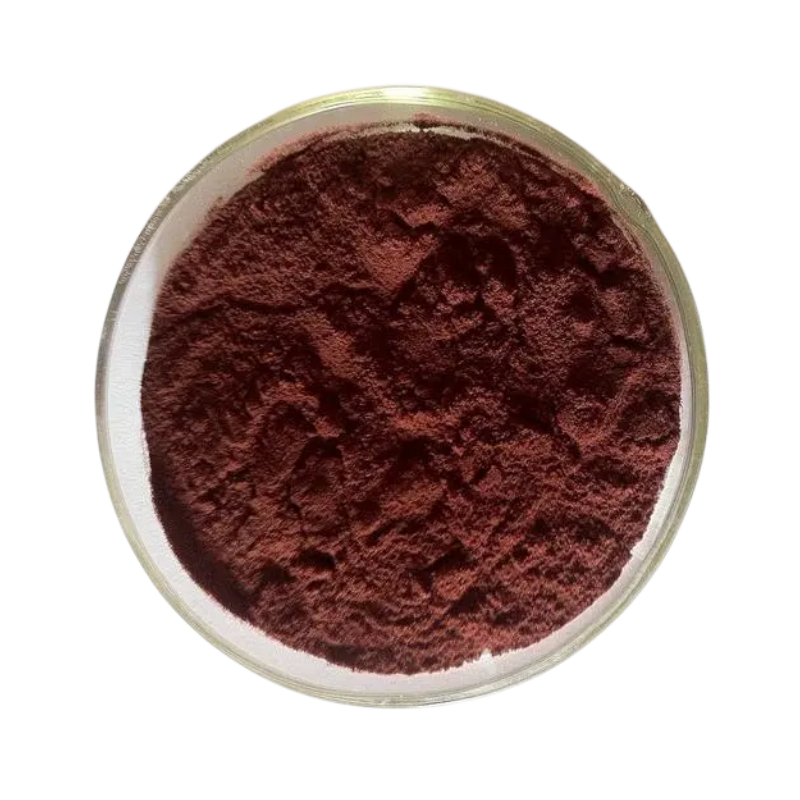
Grape seed extract is produced from Vitis vinifera seeds, typically by aqueous ethanol or acetone-water extraction, followed by purification and spray drying. The active fraction is the proanthocyanidins — oligomeric and polymeric flavan-3-ol chains, mainly catechin and epicatechin units linked at C4→C8 or C4→C6. The commercial shorthand is OPC (oligomeric proanthocyanidins) or PAC (proanthocyanidins).
Two points are worth establishing early:
The extract is a mixture, not a molecule. CAS 84929-27-1 identifies the material as an extract rather than defining a single chemical entity. That means the CAS number alone does not tell you the composition, and two suppliers quoting the same CAS can deliver meaningfully different products.
"OPC" has a size connotation. Strictly, oligomeric means a defined degree of polymerisation — dimers through tetramers or so. Many commercial assays report total proanthocyanidins, which includes the larger polymers. A supplier reporting 95% total proanthocyanidins is not necessarily wrong, but the value is not the same as 95% oligomeric content.
Standardisation grades and their use
Grade (stated) | Typical form | Common application |
4:1 to 20:1 ratio extract | Powder, brownish | Cost-sensitive food and feed, tea blends |
70–80% polyphenols | Fine powder | Beverage, functional food |
95% total proanthocyanidins (UV method) | Fine powder | General supplements |
95% OPC (HPLC, oligomeric fraction) | Fine powder | Premium supplements, clinical formulations |
98% and above | Fine powder | Research, high-potency capsule |
The premium step is the move from UV-Vis assay to HPLC. The UV method (often the European Pharmacopoeia's colourimetric approach) measures a broad polyphenol response and tends to run high relative to HPLC measurement of specific oligomers. If your claim depends on oligomeric content, insist on HPLC data and on the standard used for calibration.
Extraction solvent: the specification line buyers skip
Ethanol-water and acetone-water extraction are both common. Acetone-water routes tend to produce a higher oligomeric fraction with less polymeric material, and the solvent is removed during drying to residual limits under ICH Q3C. The honest question for a supplier is not "which solvent" but "what residual solvent does the finished powder carry, and does it meet your market's limit". Acetone residue is a common reason a shipment fails an incoming QC check even when the assay passes.
What to verify on the CoA
Assay method and basis. Confirm HPLC versus UV and, if HPLC, whether the result refers to sum of oligomers or total proanthocyanidins.
Solvent residues. Acetone, ethanol, and in some processes methanol traces.
Heavy metals and pesticide residues. Grape material carries a real pesticide load from vineyard practice; ask for a multi-residue screen, not a single-analyte test.
Moisture and bulk density. OPC-rich powders are hygroscopic and sticky; density affects capsule filling and blend uniformity more than buyers expect.
Microbiology. Botanical extracts routinely need a specification for total plate count and for specified pathogens; a pasteurisation step can reduce polyphenol content, so the two specifications interact.
Formulation practicalities
Grape seed proanthocyanidins bind readily to proteins and to some excipients, and they are sensitive to oxidation and to alkaline pH. Practical implications:
Taste. The extract is strongly astringent. In beverages, astringency rather than solubility is usually the limiting factor, and masking requires either lower dose or an encapsulation approach.
Stability. Store sealed, away from light, below 25 °C; the powder darkens with oxidation. In finished products, antioxidant partners (ascorbic acid) help, though they can also accelerate colour development.
Dose. Supplemental doses in published research frequently range from 100 to 300 mg of a 95% material per day. That is a formulation input, not a purchasing one — buy to the specification, not to a dose claim.
Sourcing notes
Chinese supply dominates global grape seed extract production, and quality divides sharply between suppliers with in-house purification and those blending purchased intermediates. Two qualifying questions separate them quickly: can they provide a chromatogram for the specific lot, and can they hold a lot for a retention sample if a customer disputes the result six months later. A supplier who can do both is usually the one whose specification means something.
We supply grape seed extract at 70%, 95% and 98% standardisations with both UV and HPLC data available, alongside other botanical extracts including lutein powder and lutein esters. Send us your target specification and destination market, and we will quote the grade that meets it and provide the documentation your QC team will ask for.